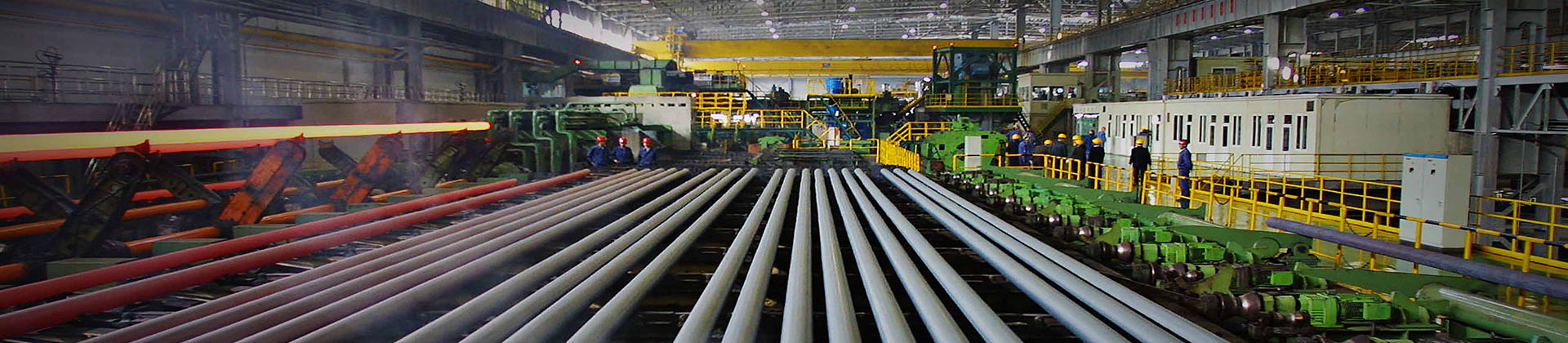
In the realm of petroleum extraction, one cannot underestimate the significance of the oil casing pipe. This essential component is a large-diameter pipe that serves a crucial role in stabilizing the walls of oil and gas wells, as well as maintaining the integrity of boreholes. The casing pipe is inserted into the borehole and cemented in place, ensuring that the wellbore is isolated from surrounding rock formations, preventing collapses and facilitating the uninterrupted circulation of drilling mud, which is critical for extraction processes.
The oil industry heavily relies on oil casing pipes, contributing to their substantial presence in various operations. Here are several reasons why oil casing pipes hold such high importance in this dynamic industry:
1. High Consumption and Cost-Saving Potential
The consumption of oil casing pipe is significant, translating into high expenditure for the industry. Given the substantial amount of casing pipe required, there is a massive potential for cost reduction and expenditure savings. Research indicates that the average requirement of casing pipe is roughly 62 kg per meter drilled, with approximately 48 kg allocated to casing pipes, 10 kg to oil pipes, 3 kg to drill rods, and 0.5 kg to drilling bits. This consumption underlines the importance of efficient management and utilization of oil casing pipes to optimize costs.
2. Crucial Impact on Mechanical and Environmental Behavior
The mechanical properties and environmental performance of oil casing pipes directly affect the innovative methods employed in the petroleum industry. Utilizing advanced technologies and enhancing production efficiency hinges on the capabilities of these pipes. Therefore, their quality and resilience play a vital role in the overall productivity and sustainability of drilling operations.
3. Significant Consequences of Casing Pipe Failure
The ramifications of oil casing pipe failure are immense, encompassing not only financial losses but also safety risks. The reliability and lifespan of these pipes are directly correlated with the safety standards in the oil industry. Ensuring the integrity and durability of oil casing pipes is paramount, as it safeguards both personnel and the environment, while also protecting investments made within this capital-intensive sector.
In summary, the oil casing pipe stands as a cornerstone of the petroleum industry, vital for the safe and effective extraction of oil and gas. Its implications are vast, affecting everything from operational costs to the safety and environmental impact of drilling activities. Thus, investing in high-quality oil casing pipes and understanding their critical role is essential for the longevity and efficiency of the oil industry.


