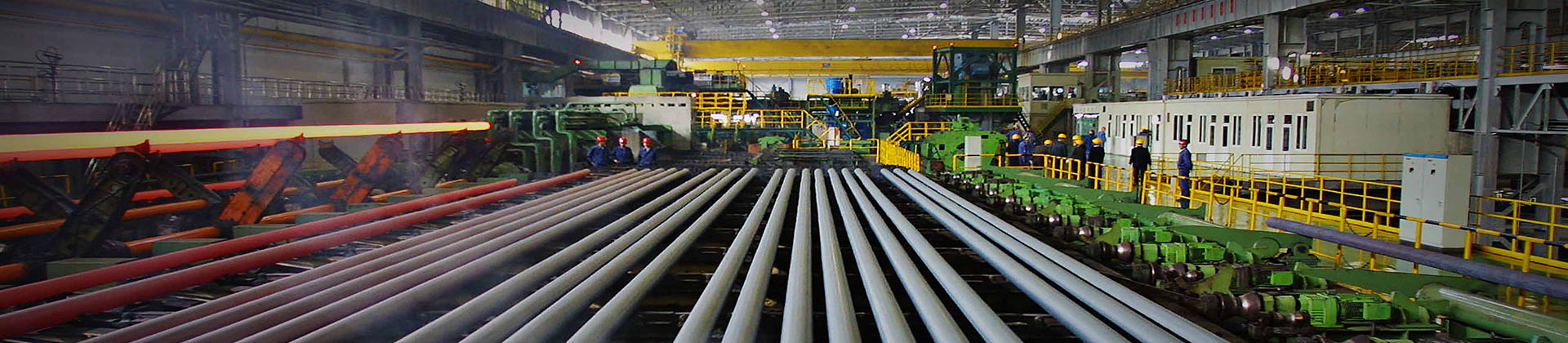
Spiral steel pipe, commonly referred to as SSAW, is produced by rolling low-carbon structural steel or low-alloy structural steel strips into a tube blank at a predetermined spiral angle known as the forming angle. After forming the tube blank, the seams are welded, enabling the production of large-diameter steel pipes from narrower strip steel. Given its ability to create robust pipes, SSAW is especially beneficial for applications requiring strength.
Advantages of SSAW Steel Pipe
- Capacity for Large-Diameter Production: SSAW pipes can cater to larger diameters while utilizing narrower billets.
- Versatility in Diameter: They can manufacture welded pipes with varying diameters using foam materials of the same width, making them flexible for different project requirements.
However, it is essential to mention the drawbacks in comparison to other types of welded pipes, such as LSAW.
Disadvantages of SSAW Steel Pipe Compared to LSAW
- Increased Weld Length: The weld length in SSAW pipes is typically 30~100% longer than in LSAW, leading to potential weak points along the seams.
- Higher Residual Stress: SSAW pipes exhibit greater residual stress, leading to concerns about long-term durability.
- Heat Affected Zone (HAZ): The heat-affected zone in SSAW pipes is larger, causing a more significant concentration of stress, which may lead to failure in those weak points.


