In the world of construction and manufacturing, understanding the types of steel pipes available is crucial for selecting the right materials for any project. Steel pipes can be categorized into two main types based on their production methods: seamless and welded. Each type has its own manufacturing process and characteristics that suit different applications.
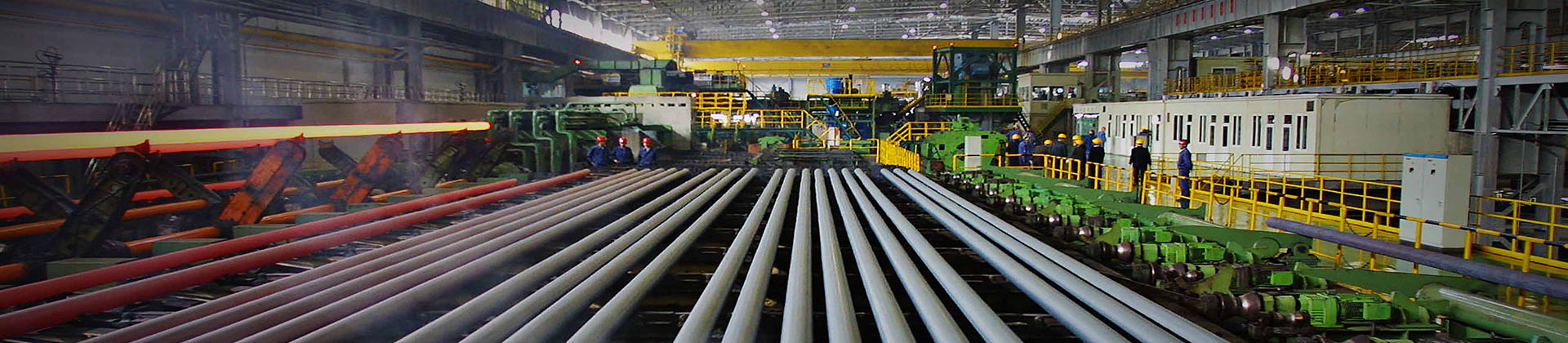
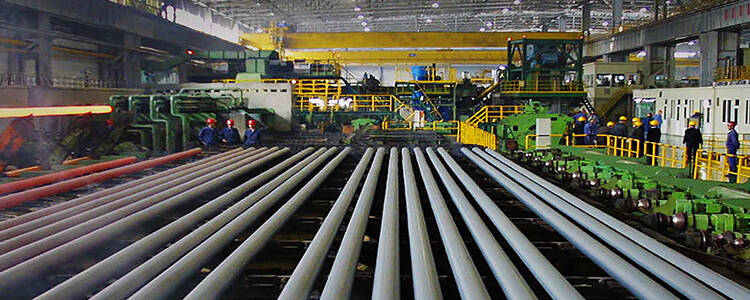
Seamless steel pipes are produced through a distinct process that begins with solid pipe billets or steel ingots. These are then transformed into hollow pipes through a method of perforation followed by rolling. The various techniques employed in perforation and rolling lead to the creation of different types of seamless steel pipes.
Typically, seamless steel pipes are primarily produced using the hot rolling method, which provides excellent strength and high resistance to pressure. For certain applications, especially where traditional methods are challenging, other methods such as extrusion are employed. The extrusion process is particularly useful for manufacturing low plasticity high-alloy steel pipes or specialized-shaped pipes and composite metal pipes. Furthermore, seamless pipes can also undergo processes like cold rolling and cold drawing, enabling further refinement into smaller diameters and thinner walls.
Welded steel pipes are produced through a comparatively simpler process. The production involves bending the pipe blanks (which could be steel plates or strips) into a pipe shape and then welding the edges together to form a continuous steel pipe. The simplicity of the forming and welding processes not only makes the production of welded steel pipes more efficient, but it also keeps the overall costs lower.
Welded steel pipes are also well-known for their versatility. The variety of forming and welding methods allows for an expanding range of product types, catering to diverse industrial needs. This makes welded pipes a popular choice in many construction and manufacturing projects where cost-effectiveness and efficiency are paramount.
When it comes to choosing between seamless steel pipes and welded steel pipes, the decision largely hinges on the specific requirements of the project at hand. Seamless pipes offer superior strength and resistance to pressure, making them ideal for high-stress applications. In contrast, welded pipes offer a cost-effective solution without compromising on quality and versatility.


