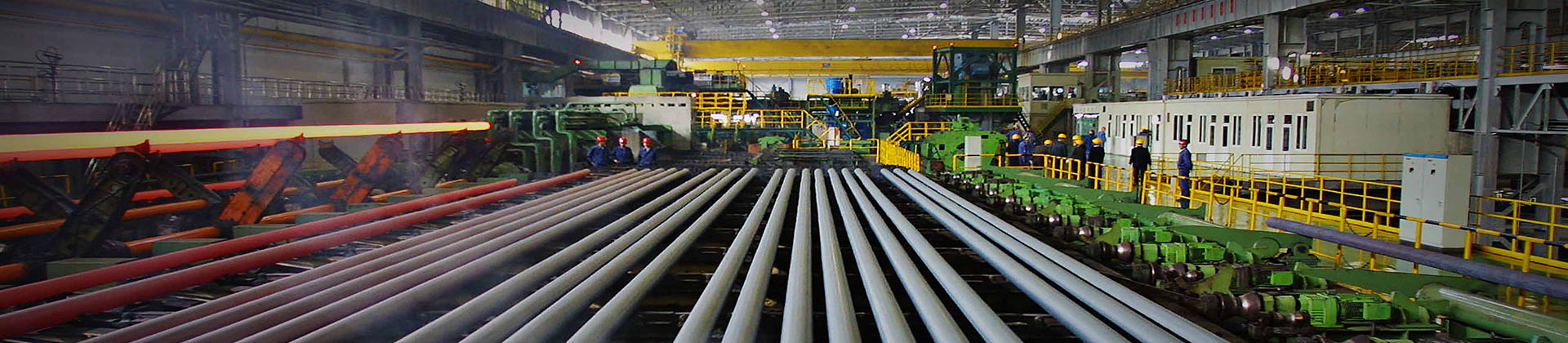
Cold-rolled carbon steel pipes are produced at room temperature, which enhances their dimensional accuracy compared to their hot-rolled counterparts. This manufacturing process allows for tighter tolerances and improved surface finishes. Cold-rolled carbon steel pipes are categorized as follows:
- General Steel Pipes: Similar to hot-rolled variants, these are versatile and widely used across industries.
- Low and Medium Pressure Boiler Pipes: These are used in boiler applications that require specific pressure tolerances.
- High-Pressure Boiler Pipes: Engineered for high-pressure applications, these pipes ensure safety and efficiency within boiler systems.
- Alloy Steel Pipes: Infused with distinct alloys, these pipes provide added strength and resistance to wear.
- Stainless Steel Pipes: Much like their hot-rolled versions, these pipes resist corrosion, making them ideal for versatile applications.
- Petroleum Cracking Pipes: Designed for challenging conditions found in petroleum processing.
- Thin-Walled Pipes: This category includes carbon thin-walled steel pipes, alloy thin-walled steel pipes, and stainless thin-walled steel pipes. Thin-walled pipes have an outer diameter that can reach 5 mm, with wall thickness under 0.25 mm.
Cold-rolled seamless steel pipes can have an outer diameter reduced to 6 mm and wall thickness as little as 0.25 mm, making them beneficial for applications requiring extreme precision and reduced weight.


