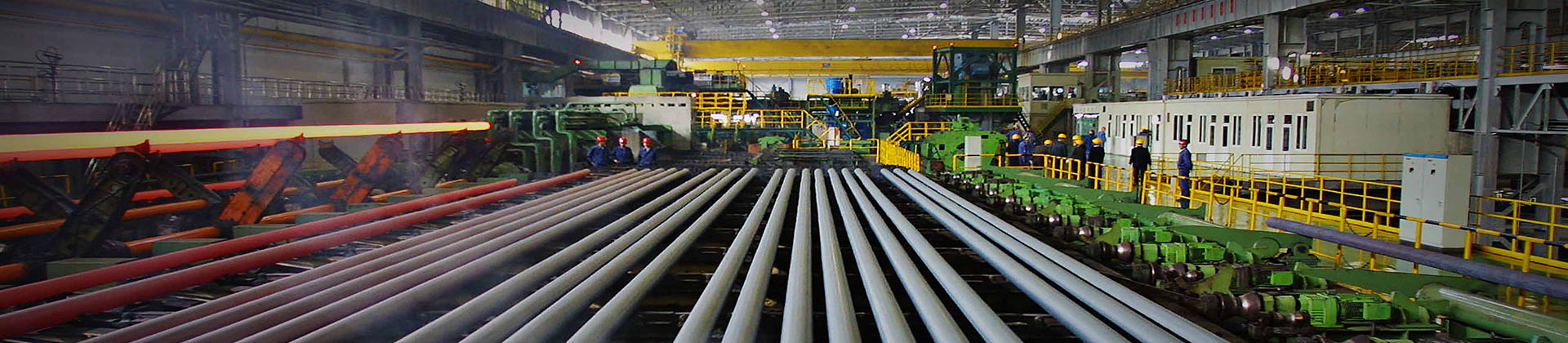
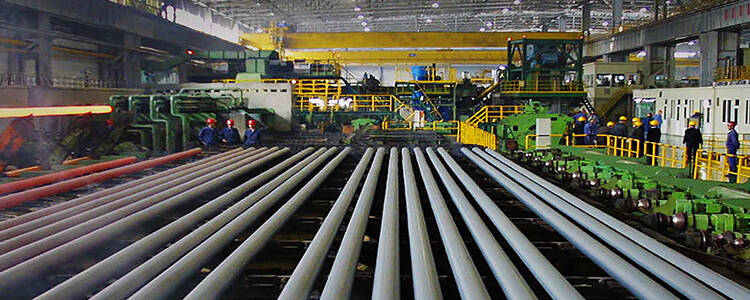
Line pipe is a vital component in the transportation of essential natural resources such as oil, gas, and water from extraction sites to industrial facilities within the petroleum and natural gas sectors. It is manufactured in a variety of configurations, primarily categorized into seamless and welded pipes. The endpoints of these line pipes can be flat-ended, threaded, or bell-shaped, and they are typically connected through methods like butt welding, socket connections, and coupling.
Applications of Line Pipe
The primary role of line pipe is to facilitate the efficient movement of oil, gas, and water in the petroleum and natural gas industries. With the increasing global demand for these resources, ensuring the quality and durability of line pipe is crucial for operational success and safety.
Line pipe is governed by the API SPEC 5L-2011 standard, compiled and released by the American Petroleum Institute (API). This specification is recognized worldwide, ensuring that the line pipes meet stringent performance criteria necessary for safe and reliable operation. The main materials used in the manufacturing of line pipes include various steel grades, such as L245, L290, L360, L415, L480, GR.B, X42, X46, X56, X65, X70, X80, and X100.
In summary, line pipe plays a crucial role in the oil and gas industries, ensuring safe and efficient transportation of vital resources.


