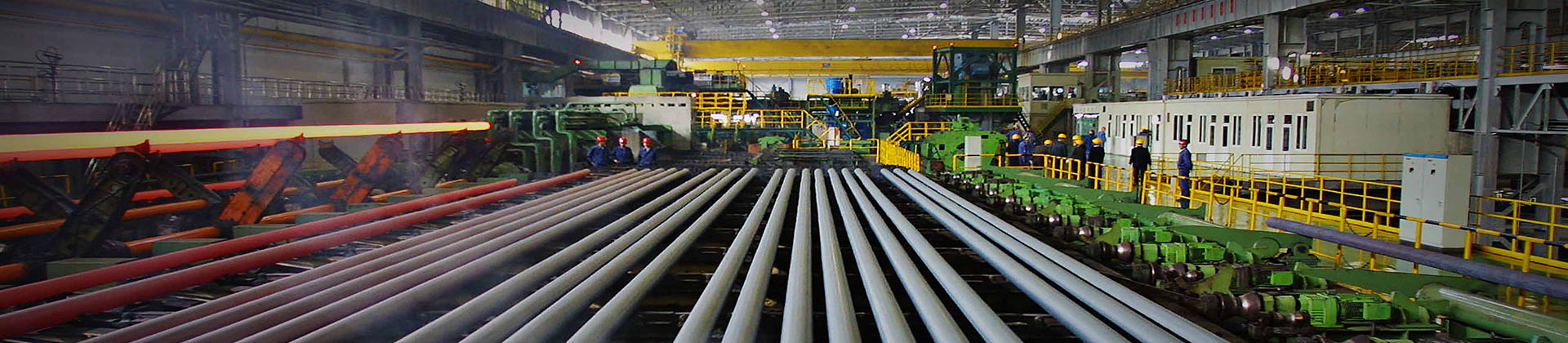
Line pipe is a vital component in the transportation of essential natural resources such as oil, gas, and water from extraction sites to industrial facilities within the petroleum and natural gas sectors.
Line pipe is governed by the API SPEC 5L-2011 standard, compiled and released by the American Petroleum Institute (API). The main materials used in the manufacturing of line pipes include various steel grades, such as L245, L290, L360, L415, L480, GR.B, X42, X46, X56, X65, X70, X80, and X100.
Heat Treatment Processes for Line Pipe
According to the requirements outlined in GB/T9711.1, the performance of line pipe steel can be enhanced through different tempering processes, classified by their tempering temperatures:
1. Low-Temperature Tempering (150-250°C)
The resulting structure from low-temperature tempering is termed tempered martensite. Its primary goal is to maintain high hardness and wear resistance while reducing internal stress and brittleness. This treatment is crucial in preventing cracks and premature failure during use. Typical applications include high-carbon cutting tools, measuring tools, line pipes, rolling bearings, and case-hardened components, with post-tempering hardness generally between HRC 58 and 64.
2. Medium-Temperature Tempering (250-500°C)
Medium-temperature tempering results in a structure known as tempered sorbite, which is engineered to achieve high yield strength, elastic limits, and improved toughness. This process is essential for treating various line pipes and hot-work molds, ensuring they meet the operational demands of the oil and gas industry. Post-tempering hardness for this category typically falls within the HRC 35 to 50 range.
3. High-Temperature Tempering (500-650°C)
This tempering process yields a structure known as tempered sorbite. The combination of quenching and high-temperature tempering is referred to as quenching and tempering treatment. The goal here is to attain a well-balanced combination of strength, hardness, plasticity, and toughness. This treatment is widely applied to critical structural components in automobiles, machine tools, and line pipes, including connecting rods, bolts, gears, and shafts, with a post-tempering hardness of approximately HB 200 to 330.
In summary, line pipe plays a crucial role in the oil and gas industries, ensuring safe and efficient transportation of vital resources. Understanding its specifications, heat treatment processes, and available materials can significantly influence the performance and durability of these pipes. Adhering to international standards like API SPEC 5L-2011 and GB/T9711.1 ensures that line pipes remain reliable for various applications, aligning with the industry's demand for excellence and safety.


